
At a time when we are surrounded by conflict (we can think of the war in Israel, Ukraine and many others) and polarization, it is important to remember that the Church is called to be a people of « peacemakers » (Mt 5:9). However, when we think about peace, it’s striking to realize that we think more about the absence of peace than about peace itself. This is symptomatic of the fact that we find it hard to imagine what peace should be like – after all, there is already so much conflict in our families and hearts – and that we often misunderstand what peace is.
What is peace?
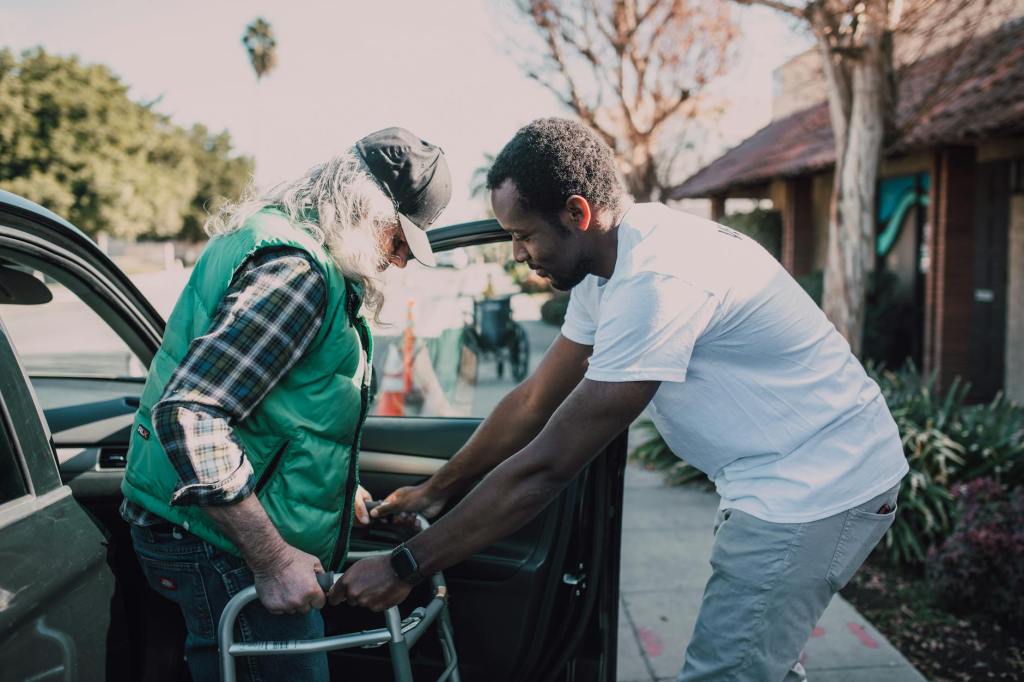
In a situation like this, it’s important to understand what peace is. We tend to think of peace as the absence of conflict. Expressions such as « leave me alone » illustrate our very modern notion of peace: if problems are absent, then peace is there. This definition of peace is unambitious and can be lived without the slightest effort. All we have to do is avoid people (or things/subjects) that bring conflict. We’re talking about burying our heads in the sand and closing ourselves off from the outside world, living as hermits in relation to others. Many people do this by leaving their assembly as soon as there’s a problem. However, the biblical definition of peace is quite different. In Hebrew, peace is called shalom and conveys an idea of restoration, health, security, rest and harmony. So when the Bible exhorts us to be at peace with others, it’s not calling us to avoid them, but to create a safe place where everyone can be healthy, grow and be in harmony with others. This means looking out for the interests of others, doing for them what helps them to grow. And that’s a pretty deep thought, because it requires creating a safe framework where others are able to hear what you have to say, and it implies getting to know others to make sure you know what’s good for them. While our society teaches us that to be at peace with others we must let them act without saying anything (even if we disagree and think it will destroy them), the Bible teaches us that the search for peace is much deeper, because it is motivated by the physical, emotional and spiritual health of the people around us.
To take just one example: when raising children, we tend to give in to their whims in order to « have peace ». So they sit in front of the TV all day, eating chocolate and talking on the phone. The Bible tells us that seeking peace is more like a father setting limits for his children and trying to educate them to love what is good and to do what is right.
Shalom as a cause of conflict?
As you’ve no doubt already experienced with your children, this search for shalom will sometimes lead to tension, because instead of running away from others, we’ll try to go towards them; because instead of saying nothing, we’ll sometimes have to confront others about certain situations. When you warn a friend about a toxic relationship they’re in, it’s bound to create tension, yet this call to shalom obliges us to warn them for their own good. For people in addictive situations in particular, the best way to be good to them is often to be firm and hold boundaries clearly. This will show that you’re not looking to get something out of a relationship, but are looking out for the good of others. The same applies to inner conflicts. If you’re like me, you don’t like to tackle your inner conflicts and you try to put them aside as if avoiding the sources of conflict would solve them. The Bible tells us that to resolve these inner conflicts we must deal with them, not run away from them.
How to live shalom?
That’s all well and good, but how do we achieve this profound peace? Clearly, it’s going to take a great deal of effort. In fact, we can only forgive if we have been forgiven, if we have experienced shalom. Jesus’ death and resurrection show us that God has forgiven us, that he seeks what is good for us, that he wants us to be in harmony with him and with others. He places us in his Church so that we are in a safe environment that develops this growing harmony in each other. Let us be hospitable and welcome others into our homes and lives, so that they feel safe to share and open up to us. But above all, let’s seek first what is good for others and what will bring them closer to Jesus. In a future article, we’ll look a little more closely at what this Christian community should look like, where peace is lived and Jesus is placed at the center.



 Le Blog réformé évangélique
Répondre à How to live the Church? – Le Blog Réformé Évangélique Annuler la réponse.